
Navigating Hanoi’s Markets: Dong Xuan Market and Beyond
Hanoi’s markets are places to shop, eat, and see everyday city life, but each has its own rhythm. Dong Xuan Market is a practical starting point in the Old Quarter, while a flower market before dawn or a weekend night market offers a very different experience. Choose stops for what you want to see, and leave room for a snack or an unplanned turn down a busy lane.
Start with Dong Xuan Market
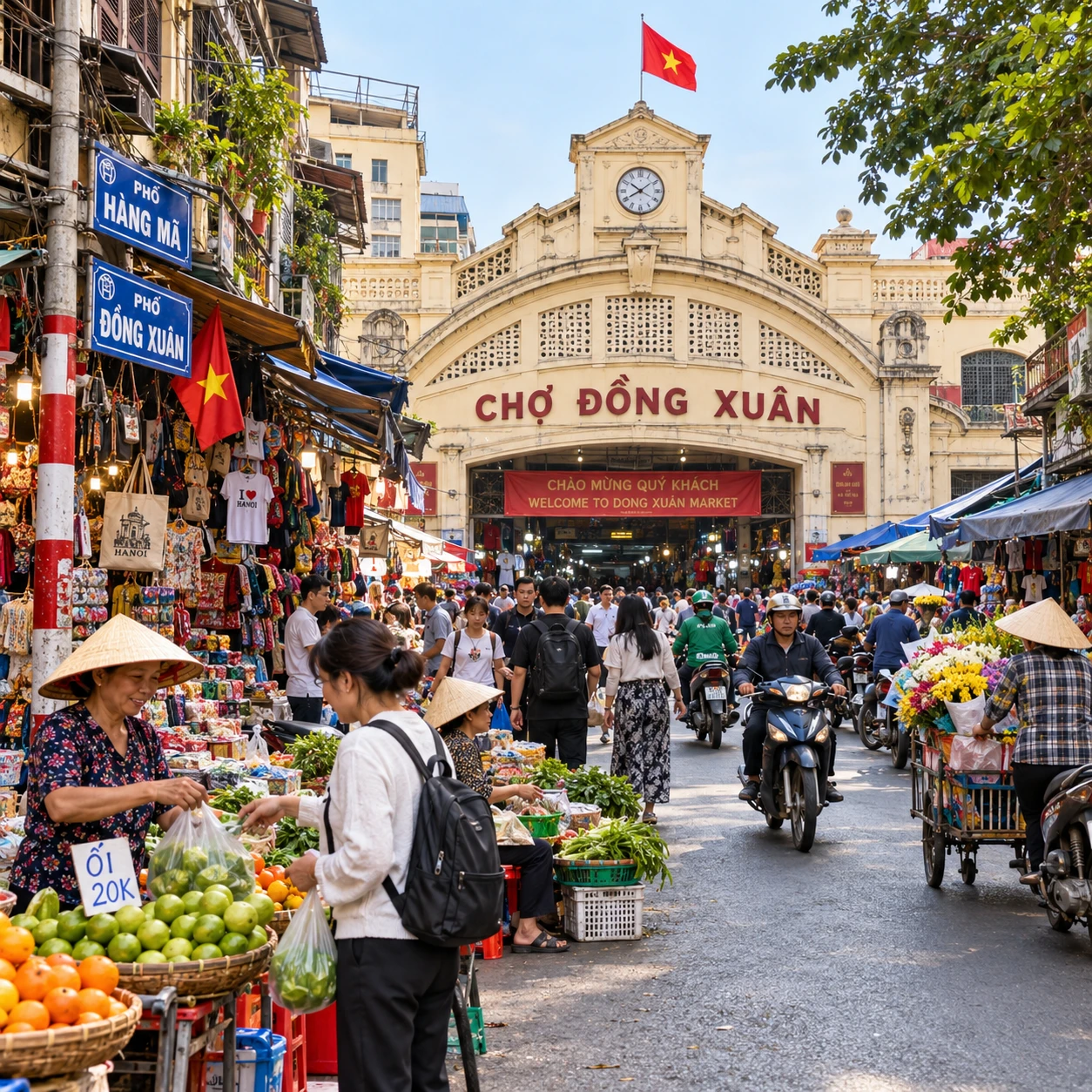
Dong Xuan Market is a large indoor market on the northern side of Hanoi’s Old Quarter, with multiple floors and rows of stalls selling goods in bulk and at retail. It works best for visitors who want to browse a broad range of merchandise under one roof and watch the neighborhood’s commercial life in motion.
The market sits near the Old Quarter’s dense network of streets, so it is easy to combine with a walk rather than treat it as a standalone destination. Inside, stalls are arranged in sections, though the mix and exact locations can change. Expect clothing, fabric, bags, household items, accessories, and souvenirs, alongside vendors focused on wholesale trade. Some sellers may prefer larger purchases; ask before spending time comparing individual items.
Dong Xuan can feel busy and practical rather than curated for sightseeing. That is part of its appeal, but it also means narrow aisles, crowds, and merchandise that may look similar from stall to stall. Browse at an unhurried pace, keep your belongings close in the crush, and step aside before stopping to check a map or take a photo.
What to See, Shop for, and Eat
At Dong Xuan Market, visitors can browse clothing, fabric, accessories, household goods, and souvenirs, then look nearby for Vietnamese street food. The range is broad, but product quality, prices, and the willingness to sell single items vary by stall.
Start with a simple shopping goal. If you want a light souvenir, compare small items such as textiles or accessories; if you are looking for clothing or household goods, check the material, stitching, and finish rather than relying on the first price or appearance. For anything you plan to use regularly, ask about sizing, care, and whether you can inspect the item closely before paying. Imported and mass-produced goods are common, so a market setting does not guarantee that an item is locally made.
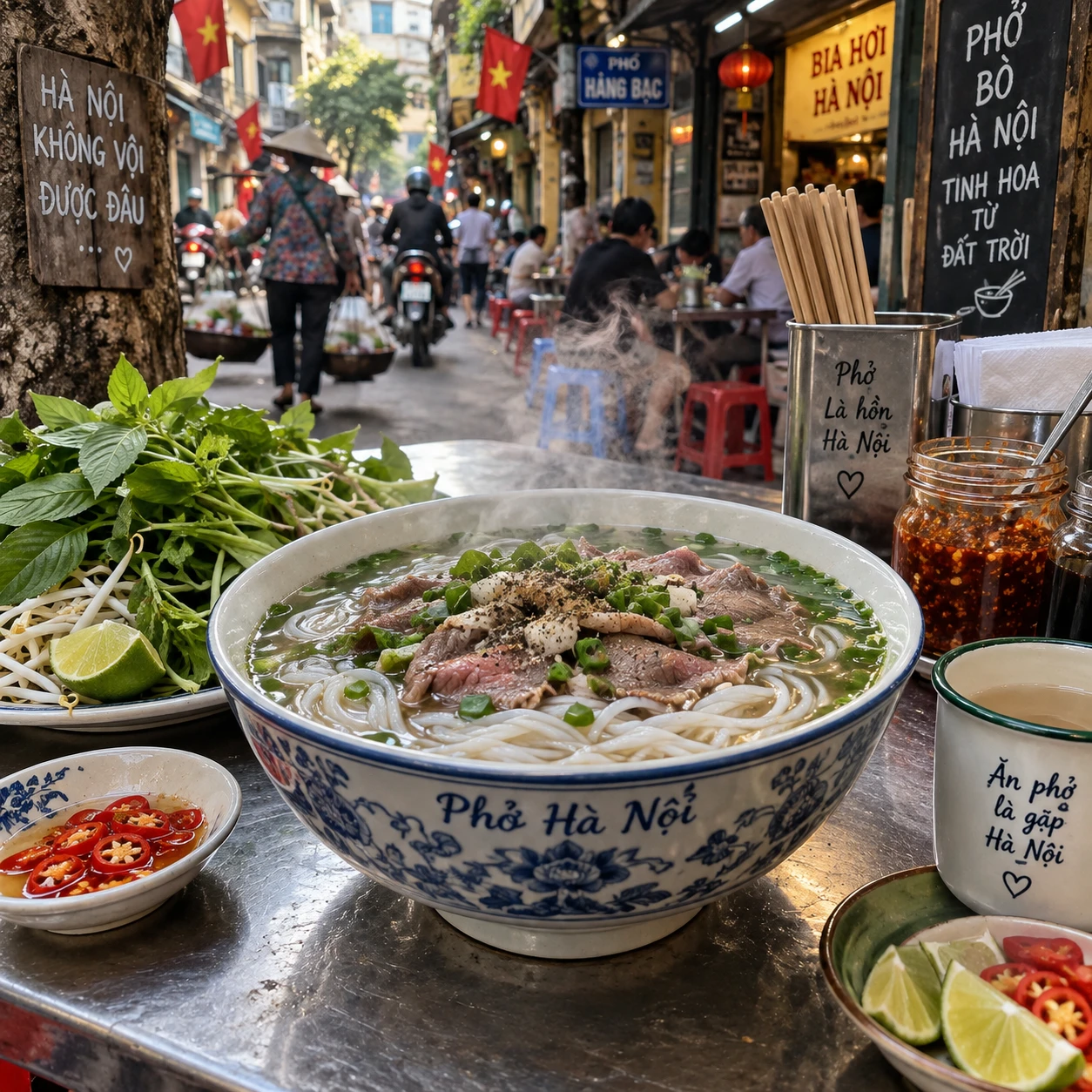
Food is part of the wider market-area experience. You may find Vietnamese street food and small eateries in the surrounding streets, but stalls and menus change. Follow the cues of a busy vendor, look for food prepared fresh, and choose dishes that suit your comfort level. If you have dietary restrictions, ask clearly; ingredients and cooking practices may not be easy to confirm from a menu alone.
Keep expectations realistic: Dong Xuan is not a fixed-price department store, and not every stall is set up for casual tourist shopping. A courteous question about price or minimum quantity helps you find out quickly whether a purchase makes sense.
Other Hanoi Markets to Explore
Hanoi’s other markets each offer a distinct reason to visit: the Hanoi Weekend Night Market for an evening stroll, Quang Ba Flower Market for a pre-dawn look at the flower trade, and Cho Hom Market for a more everyday shopping focus. Choose based on your schedule and interests rather than trying to see them all.
Hanoi Weekend Night Market
The Hanoi Weekend Night Market runs through Old Quarter streets on selected weekend evenings, with stalls selling clothing, accessories, souvenirs, and snacks. It is suited to travelers who enjoy crowds and browsing outdoors. The atmosphere is lively, but it can be slow to move through at peak times, and stall offerings overlap. Confirm current operating details locally before making a special trip.
Quang Ba Flower Market
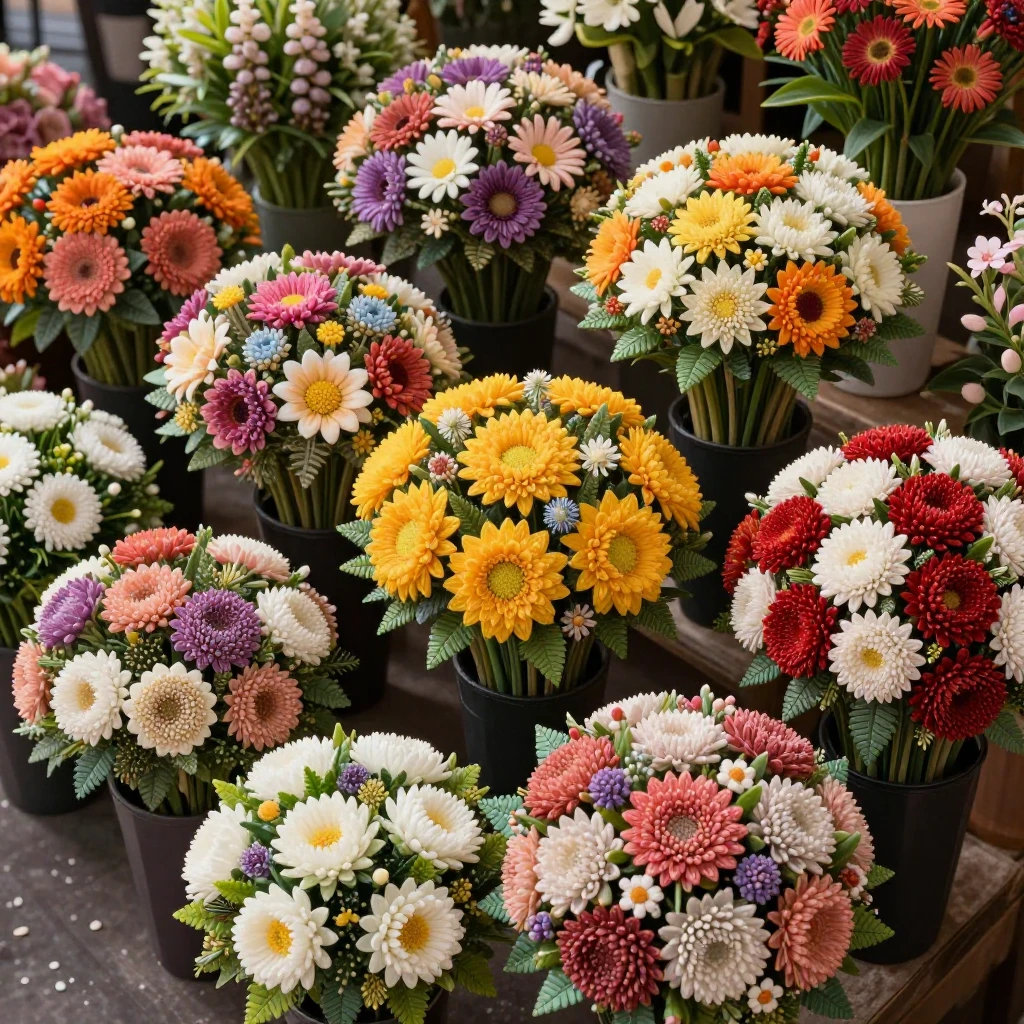
Quang Ba Flower Market is known for flowers arriving and trading in the early hours, making it a choice for travelers interested in wholesale activity and Hanoi before sunrise. It is not a conventional daytime shopping stop: many visitors go to observe or photograph the trade, and the early start requires planning a ride and allowing for changing conditions. Keep pathways clear and ask before photographing people at close range.
Cho Hom Market and Hang Ma Street
Cho Hom Market offers a more local shopping atmosphere, with goods that can include fabric, clothing, and food. It may suit visitors who want to browse practical wares and are comfortable navigating a less tourist-oriented market. Hang Ma Street is different again: its shops and displays are especially known for seasonal decorations and festive goods. The street can be more interesting for a themed stroll than for a general market shop.
Plan Your Visit
To plan Hanoi market visits, check current opening details, match the stop to the right time of day, and decide how you will get there before leaving. Markets can have different schedules, and trading hours may shift around holidays or local conditions.
Dong Xuan is generally a daytime visit, while Quang Ba Flower Market is most active very early and the Hanoi Weekend Night Market is an evening option on weekends. Treat these as planning patterns, not guaranteed schedules. Check with your accommodation or a current local listing before setting out, especially if you are traveling across town for a specific market.
From the Old Quarter, Dong Xuan Market and Hang Ma Street are walkable as part of a neighborhood loop. For Quang Ba, arrange a taxi or ride-hailing trip if you are going before dawn; confirm the pickup point and return plan, since transport options may be less convenient at that hour. Wear comfortable shoes and carry a small amount of Vietnamese dong for modest purchases. Some stalls may accept other payment methods, but do not assume they will.
For bargaining, ask the price calmly, decide what you are willing to pay, and be ready to walk away if it does not suit you. There is no universal discount or fixed rule across Hanoi markets. A simple exchange is often better than prolonged negotiation, especially for low-cost goods. Allow around an hour for a focused Dong Xuan visit, or longer if you plan to browse, eat, and explore nearby streets.
Market Etiquette and Smart Shopping
Good market etiquette in Hanoi means browsing respectfully, asking before photographing, and negotiating without pressure. Clear communication and a little patience make shopping easier for both visitors and vendors.
- Ask before taking photos. A market is a workplace as well as a place to visit. Respect a refusal, and avoid blocking a stall or aisle while taking pictures.
- Check before handling goods. Some items are easy to inspect; others may be packaged or displayed for wholesale buyers. Ask politely before unfolding fabric or opening a package.
- Negotiate in good faith. If you are not interested after hearing the price, thank the seller and move on. Avoid starting a negotiation unless you are genuinely considering the purchase.
- Inspect before paying. Check size, condition, seams, and quantity. Confirm the total, especially when buying more than one item, and keep the receipt if one is offered.
A common misstep is assuming every displayed price is a tourist markup or that bargaining must produce a dramatic discount. Prices and sales practices differ, and a seller may have little room to negotiate on a low-cost item. Compare a few stalls when practical, then decide whether the item and price work for you. You do not need to buy something to justify browsing, but a courteous exchange leaves a better impression than arguing over a small difference.
Build a Market Day in Hanoi
A good Hanoi market day pairs one main market with nearby streets or a meal, rather than packing several distant stops into a rushed itinerary. For most visitors, Dong Xuan Market combines easily with an Old Quarter walk and a Vietnamese street food break.
Begin in the Old Quarter and head to Dong Xuan while you have energy for the busy aisles. After browsing, wander nearby streets, including Hang Ma Street if its seasonal displays are of interest, then pause for a local meal or snack. The market visit itself may take about an hour, but give the surrounding neighborhood more time if you enjoy walking and people-watching.
If you want an evening outing, keep the daytime flexible and visit the Hanoi Weekend Night Market when it is operating. Expect more of a crowded street stroll than a focused shopping trip. For a different perspective, set aside a separate early morning for Quang Ba Flower Market; combining a pre-dawn visit with a full day of sightseeing can be tiring, so plan a break afterward.
Choose one anchor stop, one nearby add-on, and one food break. That simple plan leaves room to explore without turning Hanoi’s markets into a checklist.
Hanoi Market FAQs
What can you buy at Dong Xuan Market?
Dong Xuan Market sells clothing, fabric, bags, accessories, household goods, souvenirs, and other merchandise. Some stalls focus on wholesale quantities, so ask whether they sell single items before comparing products.
Is bargaining expected in Hanoi markets?
Bargaining may be part of shopping at some stalls, but it is not a universal rule. Ask the price politely, negotiate only if you intend to buy, and accept that some sellers may not lower it.
Which Hanoi market is best for food or local atmosphere?
For a broad market experience, Dong Xuan and its surrounding streets make a useful Old Quarter stop, with Vietnamese street food options nearby. Quang Ba is better for observing early flower trading, while the weekend night market offers an evening crowd and outdoor stalls.
How much time should you allow for a market visit?
Allow about an hour for a focused visit to Dong Xuan Market, then add time for food and an Old Quarter walk. Quang Ba requires extra planning because of its early start, while the night market is best approached as a flexible evening stroll.