

Where to Find the Best Pho in Hanoi: Styles, Areas, and What to Order
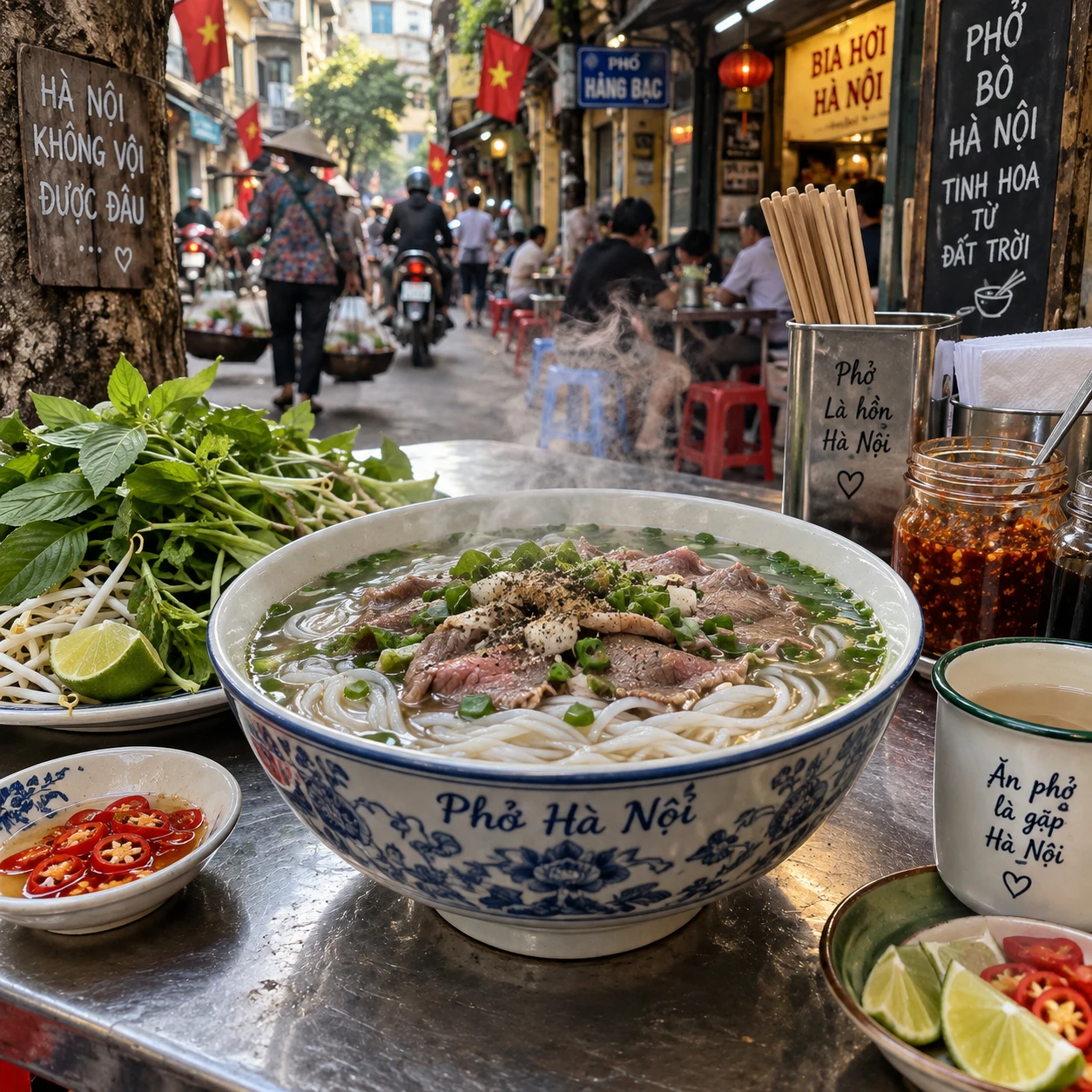
In Hanoi, a memorable bowl of pho is often less about a famous name than a clear, balanced broth served hot in a shop that knows its specialty. You’ll find excellent phở bò (beef pho) and phở gà (chicken pho) across the city, from the Hanoi Old Quarter to residential neighborhoods where locals stop for breakfast.
Use this guide to choose a style, spot promising shops, and order with confidence. Shop hours and menus can change, so check current listings or ask locally before making a special trip.
What Makes Hanoi Pho Distinctive?
Hanoi pho is a noodle soup built around a clean, savory broth, soft rice noodles, and a restrained balance of herbs and seasoning. Beef or chicken provides the main flavor, while the bowl’s warmth and aroma take center stage.
For phở bò, the beef broth is commonly simmered with bones and aromatics such as charred onion, ginger, and spices. A good bowl tastes rounded rather than aggressively salty or sweet. The exact recipe varies by shop, and a lighter broth is not automatically better; look for one that tastes complete and suits the cut of meat.
Rice noodles should be tender and separate enough to lift with chopsticks, not so soft that they disappear in the soup. Fresh herbs and condiments may include herbs, lime, chili, and sauces, but the selection differs from one counter to another. Hanoi bowls are often served with seasonings on the side, giving you room to adjust the flavor yourself.
Pho is closely tied to breakfast food culture in the capital. A morning bowl is a practical start to the day, but many shops serve pho later too. Follow the shop’s rhythm: if customers are eating quickly and seats turn over, order, enjoy your meal, and make room for the next person.
Choose Your Bowl: Beef, Chicken, and Other Styles
Choose phở bò for a deep, beef-forward bowl, phở gà for a gentler chicken broth, or a specific beef cut such as tái or chín if the menu offers it. These terms describe what goes into the soup, so knowing them makes ordering easier.
- Phở bò: Beef pho, usually served with sliced beef and beef broth. Ask what cuts are available if the menu is unclear.
- Phở tái: Pho with rare or lightly cooked beef. Thin slices cook in the hot broth; the result is tender, though the meat may remain pink.
- Phở chín: Pho with well-cooked beef, often more fully cooked slices or another cooked cut. It is a straightforward choice if you prefer no rare meat.
- Phở gà: Chicken pho, generally lighter in flavor than beef pho. It’s a worthwhile choice in its own right, not merely a substitute for beef.
Menus may offer combinations, but names and cuts can vary between shops. If you have an allergy, dietary restriction, or a strong preference about meat doneness, confirm it before ordering. A quick question or a point to the menu can prevent a mismatch.
Phở cuốn is a related Hanoi dish, not a bowl of pho. It consists of fresh rice-paper rolls filled with ingredients such as beef and herbs, usually served with a dipping sauce. Order it when you want a lighter, shareable meal rather than soup.
Where to Look for Great Pho in Hanoi
You can find good pho throughout Hanoi, but the Old Quarter is convenient for travelers, while other central neighborhoods offer useful alternatives. Rather than relying on one ranked list, choose a shop that fits your location, timing, and preferred style.
In the Hanoi Old Quarter, pho shops are easy to work into a walking day. The trade-off is that visitor traffic can make popular spots busy, and a central address alone says little about the quality of the broth. Walk a few blocks beyond the busiest lanes and compare menus, the pace of service, and what nearby diners are ordering.
Areas around Hoàn Kiếm and the French Quarter can be convenient if you’re staying centrally. For a more everyday neighborhood feel, look farther out in residential parts of Ba Đình, Hai Bà Trưng, or Đống Đa. These districts cover a large area, so check the distance and opening hours rather than assuming a place is close because it shares a district name.
If you’re choosing between two nearby shops, consider the dish you want first. A restaurant known for chicken pho may be a better bet for phở gà than a famous beef specialist. Search for recent photos, read current visitor notes, and verify the address; local businesses sometimes move or change their schedule.
How to Choose a Pho Shop
Choose a pho shop by looking for several signs together: a focused menu, fresh-looking ingredients, steady customer turnover, and broth that smells inviting. No single clue guarantees a great bowl, but a few consistent signals make a more reliable guide than rankings alone.
- A focused menu: A shop specializing in beef pho or chicken pho may have a well-practiced routine. A broad menu is not necessarily a warning, but check whether pho appears to be a central offering.
- Fresh service: Watch for bowls assembled to order, clean serving areas, and ingredients that look properly stored. A busy counter can help keep food moving, though crowd size by itself is no proof of quality.
- A broth with balance: If you can smell the soup before ordering, look for a savory, aromatic scent rather than an overpowering seasoning smell. Taste before adding sauces when possible.
- Practical fit: Consider whether the seating, pace, and menu suit your needs. A simple street-side shop may serve an excellent bowl but have limited space or no English menu.
One useful method is the four-signal check: specialty, freshness, turnover, and fit. If a shop scores well on three of the four, it may be worth trying. Treat this as a quick decision aid, not a formal rating system; hygiene, personal taste, and the day’s service still matter.
What to Order and How to Eat It
Order the pho style and meat doneness you prefer, then taste the broth before adding condiments. Keep herbs and sauces on the side until you know how the shop has seasoned the bowl.
If you’re hungry, order a regular bowl; portion names and sizes vary, so ask the server if you’re unsure. For phở tái, the hot broth cooks the thin beef slices further after serving. Choose phở chín if you want fully cooked beef from the start.
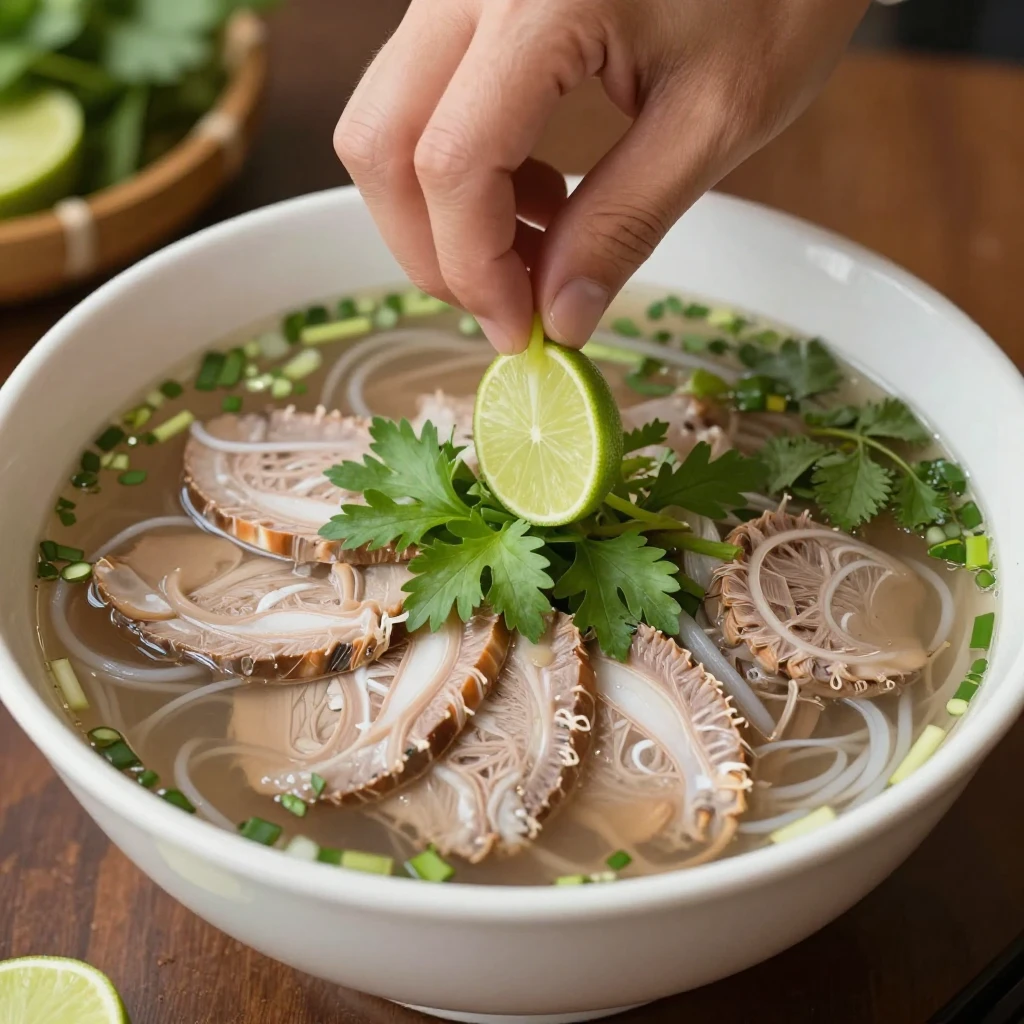
Use chopsticks for the noodles and meat, with a spoon for broth. Add herbs gradually, then try a little lime or chili if offered. Chili can quickly dominate a light broth, so start with a small amount. Hoisin-style or chili sauces may be available, but they are optional rather than required.
At a busy local shop, keep the order simple and be ready to indicate your choice. If language is a barrier, pointing to a menu item or a bowl being served nearby often works. Let staff know clearly about restrictions; don’t assume that a dish is free of an ingredient unless they confirm it.
Practical Tips for a Pho Stop
For the easiest pho stop, go early if you want breakfast, check the shop’s current hours, and bring a payment option that suits a small local restaurant. Seating and service are often casual, especially at street-side shops.
Breakfast is a natural time to seek out pho in Hanoi, but individual shops may sell out of a particular dish or open only for certain meal periods. Check a recent map listing or the shop’s own social page, and confirm the address before setting off. Online hours can still be out of date.
Expect simple seating and a quick meal rather than a long restaurant service. Some places may have limited space, shared tables, or low stools. Follow the staff’s lead on where to sit, and keep bags clear of narrow walkways.
Payment practices vary. Carry some Vietnamese đồng in cash as a backup, and check the bill before paying if items were added after ordering. Prices change by shop and location, so confirm the menu price rather than relying on an old review. If a place is crowded, be patient and avoid occupying a table after you finish.
Frequently Asked Questions
Is pho traditionally eaten for breakfast in Hanoi?
Yes. Pho is a familiar breakfast food in Hanoi, and many people begin the day with a hot bowl. Opening times vary, so check the specific shop before visiting in the morning.
What is the difference between phở tái and phở chín?
Phở tái has thin slices of rare or lightly cooked beef that finish cooking in the hot broth. Phở chín uses well-cooked beef, making it the better choice if you prefer no pink meat.
Is phở gà a good alternative to beef pho?
Yes. Phở gà is a satisfying chicken noodle soup with a different, often lighter flavor from phở bò. Choose it because you enjoy chicken and its broth, not only as a fallback.
How should I use the herbs and condiments?
Taste the broth first, then add herbs, lime, chili, or sauces in small amounts. This lets you keep the shop’s original balance and adjust the bowl to your taste.